


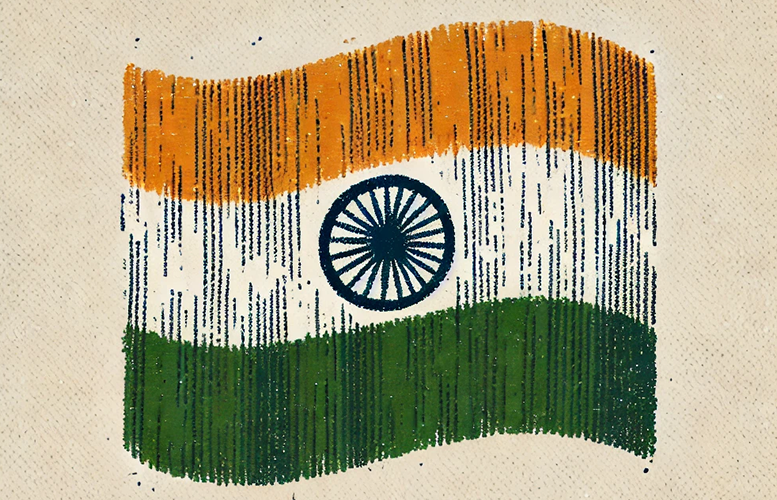
President Donald Trump’s latest tariff hike against India—an across-the-board 27 percent levy on nearly all Indian imports—exposes the deep disconnect between rhetoric and reality in the so-called friendship between Trump and Indian Prime Minister Narendra Modi. Despite public declarations of camaraderie, Trump’s trade war tactics reveal a calculated maneuver: he is leveraging India’s economic vulnerabilities while flattering its leadership, all for his own political and economic gain.
Modi, who has invested considerable political capital in cultivating ties with the U.S., finds himself cornered. Since Trump’s re-election, Modi’s ministers have made repeated trips to Washington, lobbying for closer economic cooperation. In return, they received a punishing tariff policy that threatens key Indian industries and exposes structural weaknesses in the country’s manufacturing base. Trump’s Rose Garden remarks, in which he called Modi “a great friend,” now ring hollow—an empty compliment that masks the administration’s hardline economic stance.
India’s trade surplus with the U.S., about $46 billion, is misleading in isolation. India runs an overall trade deficit globally and is already dealing with a weakening rupee. Cutting exports to the U.S. without domestic or alternative foreign demand would drive up costs for the rest of its imports, putting more pressure on an already fragile economy. Meanwhile, Trump’s move is conveniently timed to protect domestic industries and woo American voters in an election year, even as it disrupts Indian businesses from pharmaceuticals to textiles.
Supporters of the tariff regime may argue that India’s protectionist policies warrant a tough response. But to treat an emerging economy like India the same way one might treat a manufacturing powerhouse like China is a flawed approach. Indian industry, still recovering from pandemic shocks and infrastructure shortcomings, is not built to withstand this level of external pressure. As one trade expert put it, the Indian manufacturing sector is “like a sick child”—not yet ready to compete with global giants on an equal playing field.
And yet, India continues to show up at the diplomatic table, seemingly believing that political proximity to the White House can shield it from economic consequences. This delusion is precisely what Trump is exploiting. By dangling the promise of a strategic alliance, he encourages India to remain close, even as he undercuts it in practice.
The irony is that Trump’s tariffs may drive India further inward or toward other partners, weakening U.S.-India ties in the long run. Or perhaps that’s the plan: keep India dependent and off balance, all while proclaiming friendship.
In international politics, real friends don’t slam the door shut after inviting you in. Modi may want to believe in the friendship, but Trump is simply playing the game—and playing Modi along with it.