


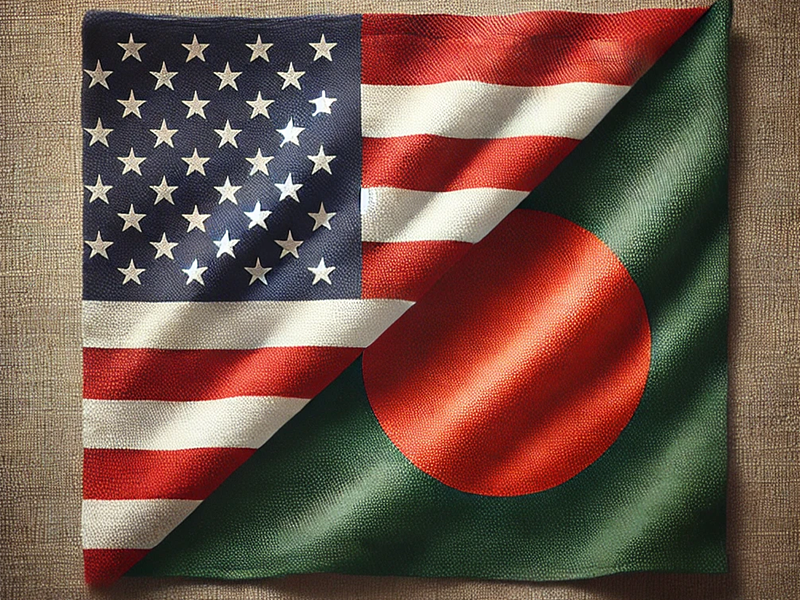
In a pivotal moment for U.S. trade diplomacy, Bangladesh’s interim government has made a clear and compelling case for a recalibration of economic ties. By formally requesting a three-month postponement of a 37% tariff on its exports to the United States and pledging substantial increases in U.S. imports, Bangladesh is offering Washington not only a pathway to more balanced trade but a genuine strategic partnership. The U.S. should seize this opportunity—and move toward a comprehensive free trade agreement with Bangladesh.
This South Asian country, now the third-largest supplier of clothing to the U.S. after China and Vietnam, has demonstrated a strong willingness to support the U.S. trade agenda. Chief Adviser Muhammad Yunus’ letter to President Donald Trump laid out specific, actionable commitments: Bangladesh is set to increase imports of American liquefied natural gas, cotton, wheat, corn, and soybeans. The government is also prepared to cut tariffs on other top U.S. exports like gas turbines, semiconductors and medical equipment, and is offering to construct bonded, duty-free warehouses to facilitate the movement of American cotton.
These actions are not empty promises. They reflect Bangladesh’s recent trade behavior and a pattern of regulatory reform, including removing burdensome testing and packaging requirements and streamlining customs protocols. This is precisely the kind of partner the U.S. needs in a region that is increasingly dominated by competitors like China.
The argument for a free trade agreement with Bangladesh is not just economic—it is geopolitical. As Washington looks to diversify its trade portfolio and reduce overreliance on traditional partners, Bangladesh offers a fast-growing consumer base and a government eager for deeper engagement. Its recent approval of Elon Musk’s Starlink satellite network is another sign of openness to American innovation and investment, including in sectors as sensitive as civil aviation and defense.
Moreover, U.S. farmers stand to benefit substantially. With Dhaka committed to buying more American agricultural goods, a bilateral trade pact would create a stable, long-term market for U.S. commodities, insulating them from the volatility of global demand swings.
Bangladesh is showing good faith. Now it’s Washington’s turn. A free trade agreement would formalize a win-win relationship: opening U.S. markets to competitive Bangladeshi exports while unlocking a vast new frontier for American goods and services. At a time when global trade alliances are being redrawn, the U.S. cannot afford to overlook Dhaka’s extended hand.