


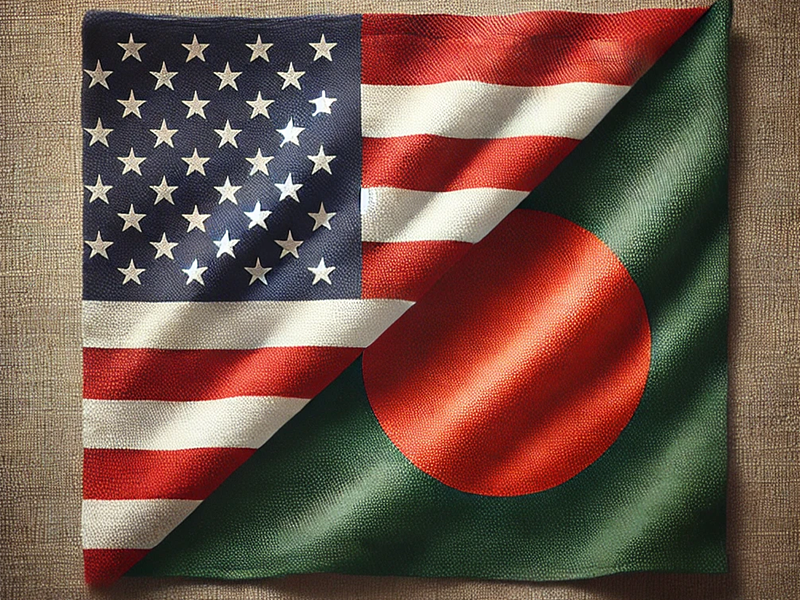
Bangladesh is weighing a 50 percent reduction in tariffs on key U.S. imports in response to a recent 37 percent tariff imposed by the United States on Bangladeshi products.
The proposal, aimed at boosting foreign direct investment and reinforcing trade ties, was discussed Saturday at a meeting at the Bangladesh Investment Development Authority (BIDA) office in Agargaon, Dhaka. BIDA Executive Chairman Chowdhury Ashiq Mahmud Bin Harun presided over the session, which included participation from leading economists and business leaders.
The proposed cuts would apply to imports of U.S. gas turbines, semiconductors and medical supplies. In addition, Bangladesh plans to continue importing various American products duty-free, including grains and cotton.
Currently, Bangladesh imports several U.S. goods without tariffs, such as cotton or yarn, soybeans, liquefied butane, ocean-going ships, and liquefied natural gas. Despite this, President Donald Trump announced the new reciprocal tariffs, citing a claimed 74 percent average tariff on U.S. goods entering Bangladesh—an assertion contradicted by Bangladeshi data, which places the average rate at 2.37 percent.
The move has alarmed exporters in Bangladesh, particularly in the garment sector. Shahidullah Azim, a garment exporter whose clients include North American and European retailers, described the new tariffs as a major blow.
“We knew something was coming, but we never expected it to be this drastic,” Azim said. “This is terrible for our business and for thousands of workers.”
Officials said the tariff reduction proposal is part of an effort to de-escalate the trade tensions and preserve Bangladesh’s access to key international markets.