


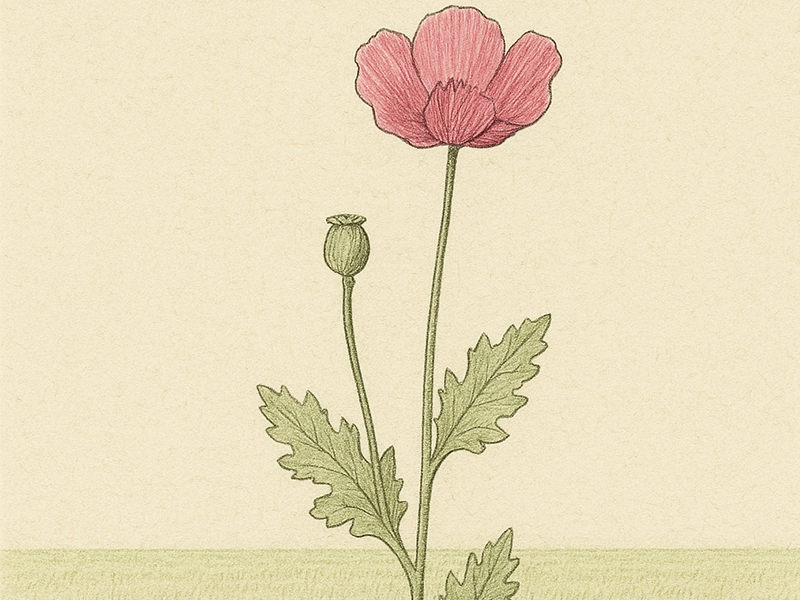
For more than four decades, Afghanistan’s poppy fields fueled the world’s heroin trade. The crop spread across ungoverned pockets of Iran, Afghanistan and Pakistan, thriving through the wars that began with the Soviet invasion in 1979 and ended with NATO’s withdrawal in 2021.
Since retaking power in 2021, Taliban authorities have enforced a sweeping ban on narcotics. In April 2022, they prohibited the cultivation, trade and use of opium, cannabis and other drugs. Enforcement has been strict. Fighters destroyed fields, airstrikes hit processing sites and even traffickers who once backed the insurgency have been arrested, according to the International Crisis Group.
The results are striking. The United Nations estimates opium cultivation declined 95 percent in 2023. For a country that once supplied most of the world’s heroin, the scale of the reduction is unprecedented.
The campaign has come at a heavy cost. Nearly seven million Afghans, many of them rural workers and women, lost their main source of income. Farmers have seen an estimated $1.3 billion wiped out in annual earnings, and food insecurity has grown.
The Afghan people deserve recognition for enduring this upheaval. Their sacrifices highlight the urgent need for alternatives, including rural development, irrigation, market access and jobs beyond farming. Without new sources of income, the victory over opium could deepen poverty. With outside support, it could also mark a turning point toward a more stable and licit economy.