


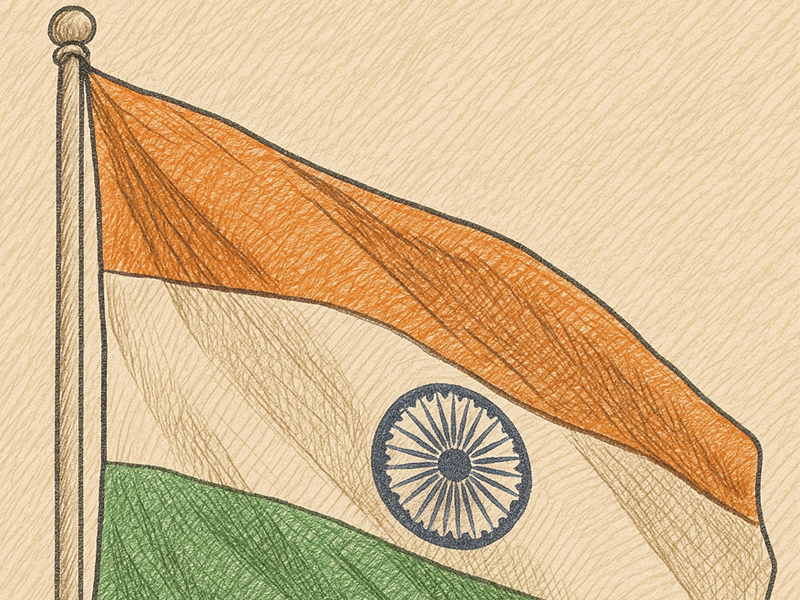
A recent Foreign Affairs article by Kurt M. Campbell and Jake Sullivan calls for a formal U.S.-India alliance, outlining a five-pillar framework spanning technology, defense and economic cooperation.
While framed as a mutually beneficial partnership, the article reflects subtle patterns of Western hegemony and strategic lecturing. It positions India as a partner needing guidance, urging it to reduce Russian ties and improve democratic standards, while assuming the U.S. should define the structure of cooperation.
The alliance is cast as essential to countering China, further embedding India into U.S.-centric global strategy. Although the authors acknowledge India’s strategic autonomy and U.S. democratic shortcomings, the underlying message remains that alignment with Washington is the logical path forward.
This framing risks overlooking India’s own global ambitions and perspectives, echoing an older model of American leadership cloaked in modern strategic language. For many in the Global South, it remains a familiar and problematic tone.