


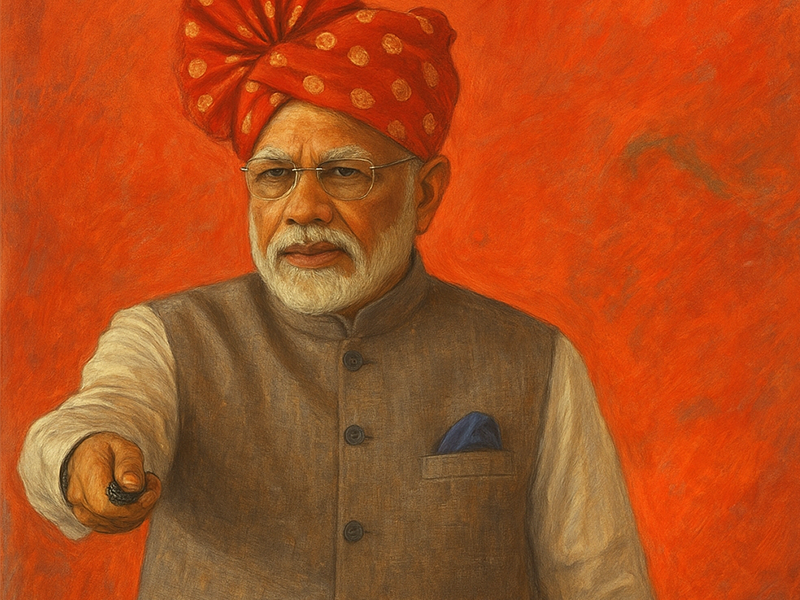
With newly authenticated audio evidence linking Sheikh Hasina to the deadly 2024 crackdown on protesters in Bangladesh, the responsibility now lies with Indian Prime Minister Narendra Modi to ensure that justice is served. India’s continued refusal to extradite the former Bangladeshi leader, despite formal requests from Dhaka, is no longer tenable.
The BBC’s investigation, conducted in partnership with audio forensics experts, verified a July 18, 2024 phone call in which Hasina allegedly ordered security forces to “use lethal weapons” and to “shoot wherever they find [protesters].” The recording, which has been voice-matched by Bangladesh’s Criminal Investigation Department and examined by independent analysts, presents what could be the most direct evidence yet of Hasina’s role in authorizing lethal state violence.
UN investigators have estimated that up to 1,400 civilians were killed in the unrest that followed. What began as protests over job quotas escalated into one of the worst episodes of political violence in the country’s history. Hasina fled to India shortly before her residence was stormed by demonstrators, and has since remained beyond the reach of Bangladeshi courts.
India’s inaction raises serious concerns. While Modi’s government has emphasized the importance of regional stability and historical ties with the Awami League, shielding a former head of government who is now charged with crimes against humanity undermines India’s global standing as a democratic power. It also weakens efforts across South Asia to promote accountability for human rights violations.
This is not a question of domestic politics, but of international legal responsibility. Hasina’s trial began last month at Bangladesh’s International Criminal Tribunal, where she faces charges of conspiracy, incitement and failure to prevent mass killings. Her absence undermines the legitimacy of those proceedings, and delays justice for the families of those killed.
India has an obligation to act. Extraditing Hasina would signal a commitment to rule of law, strengthen democratic norms in the region and reinforce the message that no leader is above justice. Protecting her from prosecution, in contrast, would erode New Delhi’s credibility and suggest that political expediency outweighs human rights.
The evidence is verified. The charges are serious. Prime Minister Modi must now make a choice that will define India’s moral leadership in the region. Returning Hasina to face trial is not only the right decision, it is the necessary one.