


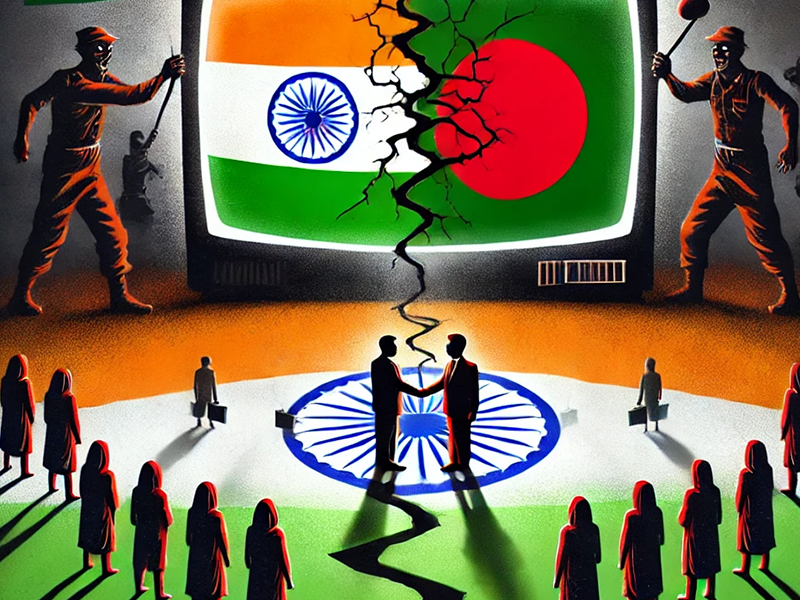
With diplomatic ties between India and Bangladesh at a low point following the ouster of Prime Minister Sheikh Hasina in 2024, foreign policy experts are warning that China and, to a lesser extent, Pakistan are steadily gaining influence in Dhaka under the caretaker government led by Mohammad Yunus.
Mohammad Yunus, a former economist, assumed leadership as chief advisor of the interim government after a student-led movement forced Hasina from office. Since then, India-Bangladesh relations have deteriorated, with growing tension over the treatment of Bangladesh’s Hindu minority and shifting regional allegiances.
According to former diplomats and strategic experts who briefed the parliamentary committee on external affairs Friday, China has significantly increased its strategic footprint in Bangladesh, with Pakistan also trying to assert its presence. Former foreign secretary Shiv Shankar Menon, former Indian High Commissioner to Dhaka Riva Ganguly Das, and others urged policymakers to act before India loses further ground in South Asia’s second-largest economy.
Committee chair Shashi Tharoor said the panel received valuable insights, with a report expected in the coming weeks. One concern raised was that aggressive media narratives in both countries have fueled misunderstanding and mistrust, further complicating diplomatic efforts.
As New Delhi prepares for upcoming talks with Dhaka over the Ganga water treaty, foreign policy advisors have outlined several paths India can take to rebuild trust and counter growing Chinese and Pakistani influence in Bangladesh:
- Reinvigorate historic ties: Experts say India must highlight its role in Bangladesh’s 1971 liberation, which many in the country still remember. Legislators like BJP MP Kiran Choudhry invoked personal connections to the war, noting that her father fought as part of the Indian forces that helped secure Bangladesh’s independence.
- Prioritize minority rights diplomatically, not publicly: While Prime Minister Narendra Modi raised concerns about the treatment of Hindus during his meeting with Yunus in April, experts suggest behind-the-scenes diplomacy may be more effective than public pressure, which could provoke nationalist backlash in Dhaka.
- Promote people-to-people engagement: One proposal discussed in the panel was an exchange program for journalists from both countries to counter misinformation and rebuild grassroots-level trust.
- Reengage regional platforms: Reviving organizations like the South Asian Association for Regional Cooperation (SAARC) could serve as a strategic counterbalance to China’s growing presence in the region and offer a multilateral forum for cooperation.
- Enhance water and data diplomacy: As both nations prepare to revisit key water-sharing treaties, particularly over the Ganga and Teesta rivers, New Delhi has an opportunity to rebuild goodwill through cooperative data sharing and infrastructure support.
While illegal border crossings have reportedly declined, according to the experts, public discourse on the issue continues to strain relations. The panel also cautioned that media narratives and exaggerated coverage are complicating efforts to restore trust.
India’s next steps in Bangladesh could shape the strategic landscape of South Asia in the years ahead. How New Delhi navigates the diplomatic fallout with the Yunus-led government, while countering Beijing’s assertive diplomacy, remains a test of its long-term regional strategy.