


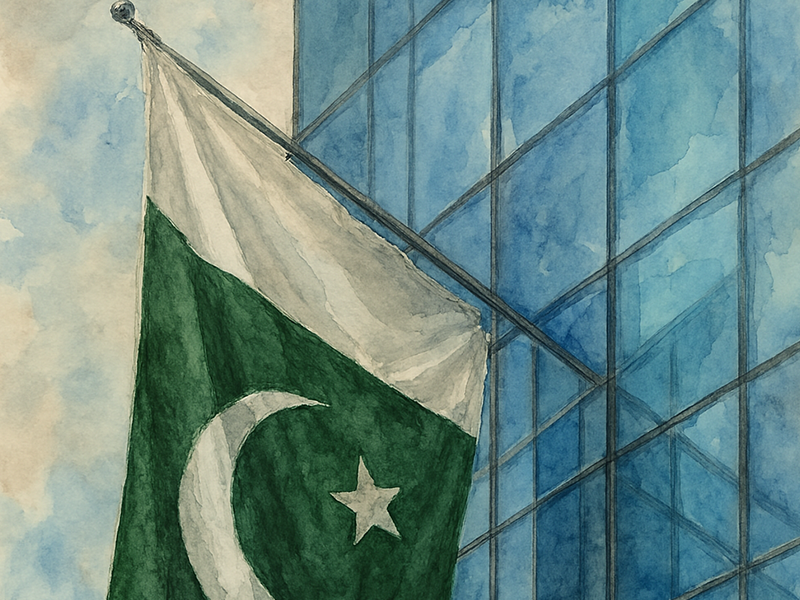
Pakistan’s nomination of Trump for the Nobel Peace Prize has been overshadowed by his administration’s recent military actions, including an unprovoked strike on Iran’s Fordow and Natanz enrichment sites. Pakistan’s Ministry of Foreign Affairs called the attacks an unprecedented escalation of tension and violence that violated international law and the U.N. Charter and declared that diplomacy was the only way to resolve the Iran crisis. The move came just days after Islamabad lauded Trump as a genuine peacemaker for brokering a brief cease-fire between India and Pakistan.
President Donald J. Trump ordered the strike on Iran on June 21. In March 2024, the United States launched Operation Rough Rider against Houthi rebels in Yemen. Monitoring group Airwars estimates that 33 strikes over two months caused at least 224 civilian deaths, nearly matching the 258 civilian casualties recorded in the previous 22 years of U.S. operations in Yemen. The April 17 bombing of Ras Isa port near Hodeidah killed 84 civilians, including two young brothers whose deaths were documented by relatives on social media.
Just days after taking office in January 2017, Trump ordered 59 Tomahawk cruise missiles at Syria’s Shayrat airbase in response to a chemical-weapons attack. He later joined the United Kingdom and France in a 105-missile strike on Syrian government targets in April 2018, bypassing U.N. Security Council approval and raising concerns over civilian safety.
Pakistan’s rapid shift from praising Trump to condemning his Iran strikes exposed a diplomatic dilemma. Thousands of Karachi residents protested against the U.S. and Israeli attacks on Iran, burning American and Israeli flags and chanting slogans against both nations. Pakistan’s information minister and foreign ministry have not publicly addressed the contrast between nominating Trump for peace and denouncing his military actions.
Legal experts warn that modern presidents set informal ceilings on civilian casualties before White House approval is required. In The War Lawyers, Craig Jones writes that Trump’s campaign in Yemen routinely exceeded such thresholds, undermining the principle of proportionality in international humanitarian law.
By nominating a leader who readily resorts to unilateral strikes often in violation of international norms, Pakistan risks damaging its own diplomatic credibility. If the goal was to honor genuine peacebuilding, Islamabad might reevaluate its criteria and recognize actors whose records demonstrate consistent respect for diplomacy and civilian protection.