


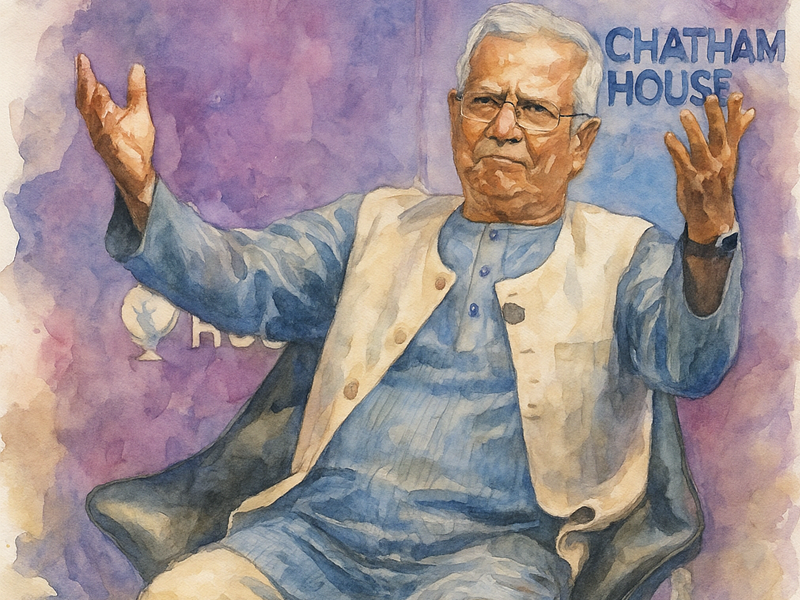
India and Bangladesh share deep historical, cultural and economic bonds. Yet tensions fueled by misinformation have prevented the relationship from reaching its full potential. Nobel laureate Muhammad Yunus made a clear appeal when he said, “We want to build the best relationship with India. It’s our neighbor. We don’t want to have any kind of basic problem with them, but somehow things go wrong every time because of all the fake news that’s coming from the Indian press.”
Bilateral merchandise trade between the two countries stood at $14.01 billion in fiscal year 2023–24, with Bangladesh exporting $1.97 billion worth of goods to India (Ministry of External Affairs of India). These figures underscore the complementary nature of the economic relationship. By streamlining border procedures, enhancing customs cooperation and fostering joint ventures in sectors such as renewable energy and infrastructure, India can solidify existing ties and unlock new avenues for mutual growth.
People-to-people links further strengthen the case for deeper engagement. In the first 10 months of fiscal year 2023–24 (July 2023–April 2024), Indian nationals in Bangladesh remitted $50.60 million to India, making up the largest share of Bangladesh’s outbound remittances, according to Finance Minister Abul Hasan Mahmud Ali’s statement in Parliament (Daily Messenger). As of August 2024 there were an estimated 19,000 Indian nationals in Bangladesh, about 9,000 of whom are students and roughly 10,000 non-students working across sectors such as NGOs, garments, textiles and IT.
Misinformation remains a formidable obstacle. Yunus specifically called out fake news in the press that can distort public perceptions and hamper policymaking. Both governments should collaborate on media-literacy campaigns, joint fact-checking initiatives and cross-border journalist exchanges. By promoting transparency and accountability in reporting, India and Bangladesh can neutralize unfounded rumors and build public trust on both sides of the border.
Accepting Muhammad Yunus’s invitation is more than a diplomatic gesture; it is a strategic imperative. Enhanced trade cooperation, deeper people-to-people engagement and a concerted effort to tackle misinformation would not only benefit India and Bangladesh economically but also contribute to regional stability. India stands to gain a reliable partner on its eastern frontier while Bangladesh would secure a steadfast ally. Forging an unbreakable, all-weather relationship with Bangladesh will require political will and mutual goodwill. Now is the time for New Delhi to seize this opportunity and turn Yunus’s vision into reality, laying the foundation for decades of shared prosperity.