


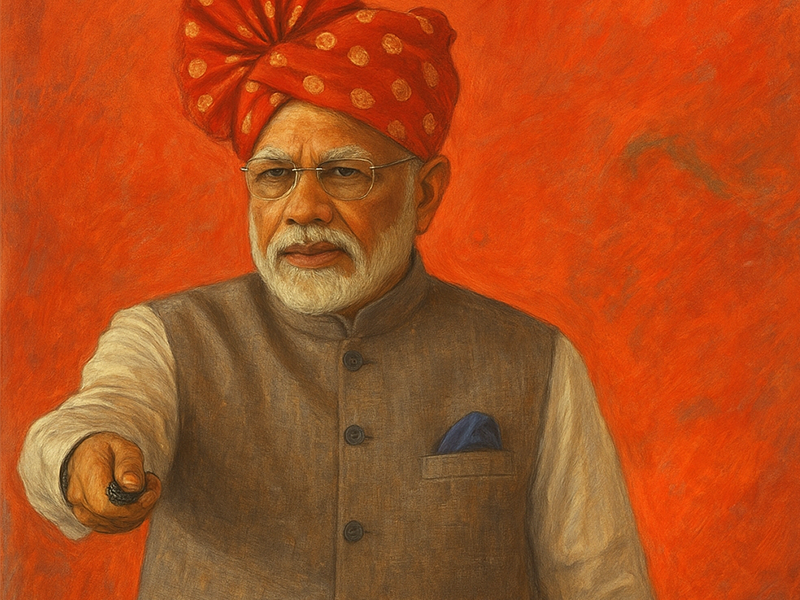
Indian Prime Minister Narendra Modi was not on the initial list of invitees to this year’s G7 summit in Alberta. The invitation came only after a phone call from Canadian Prime Minister Mark Carney on Friday, highlighting a deliberate diplomatic calculation. Canada appears willing to re-engage, but it is making clear that this engagement is not an endorsement.
The shift comes nearly a year after Canada accused Indian agents of involvement in the June 2023 killing of Hardeep Singh Nijjar, a Sikh separatist leader who was shot outside a temple in Surrey, British Columbia. Four Indian nationals have been charged in connection with the killing. India has rejected the allegations as “preposterous.”
While Modi confirmed his attendance on X and thanked Carney, the timing of the invitation is significant. Leaders from other countries, including Mexico, Ukraine and Australia, received their invitations earlier. Modi’s late addition sends a message that India’s participation is being allowed, not embraced.
The decision has drawn strong backlash from Canada’s Sikh community. “For Sikhs in Canada, this is a betrayal, not just of our community, but of core Canadian values,” said World Sikh Organisation President Danish Singh. “Prime Minister Carney’s decision to invite Narendra Modi, while India continues to deny any role in the assassination of Bhai Hardeep Singh Nijjar and refuses to cooperate with Canadian authorities, is both shameful and dangerous.”
Carney defended the invitation, saying it is important to have “certain countries” at the table for key global discussions. A government readout said both leaders agreed to maintain law enforcement dialogue and address ongoing security concerns.
The nature and timing of the invitation suggest that Canada is reopening lines of communication, but on its own terms.