


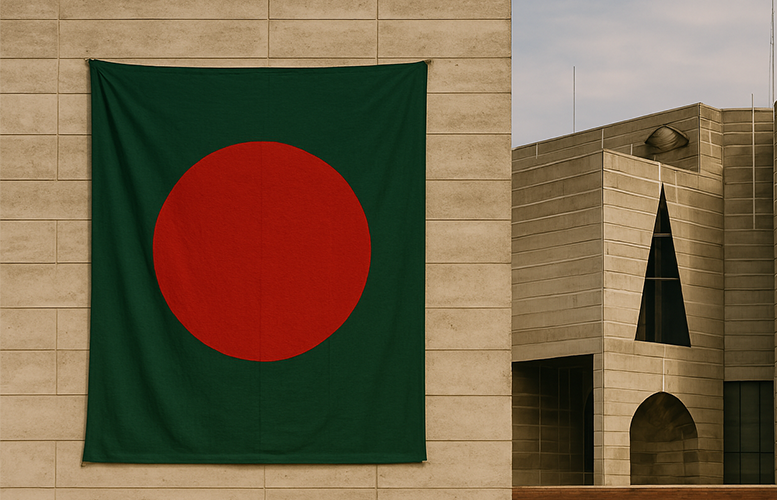
As tensions between India and Pakistan flare once again, the specter of conflict between two nuclear-armed neighbors looms over South Asia. In this volatile environment, Bangladesh, geographically proximate and culturally intertwined with both nations, faces a critical diplomatic test. How Dhaka responds will not only shape its national security but also signal its maturity and moral authority as a regional actor. Bangladesh’s course must be guided by wisdom, stability and a resolute commitment to peace.
First and foremost, Bangladesh must maintain strict neutrality. Aligning militarily or politically with either side would compromise its long-standing foreign policy principle of “friendship to all, malice toward none.” Such alignment would also endanger Bangladesh’s own security and economic stability. As a rising regional player with growing global ties, Dhaka cannot afford to jeopardize its credibility by being drawn into a bilateral conflict rooted in decades-old disputes.
Rather than choosing sides, Bangladesh can serve a more constructive role by championing diplomacy and dialogue. The country’s increasingly respected presence in multilateral forums such as the United Nations, the Organization of Islamic Cooperation and the South Asian Association for Regional Cooperation provides it a platform to call for restraint and negotiation. Bangladesh should extend an offer, even if symbolic, to host or facilitate backchannel talks. While mediation may not materialize immediately, the gesture would reinforce Bangladesh’s commitment to de-escalation.
At home, Bangladesh must remain vigilant. Cross-border conflicts often have destabilizing spillover effects, including refugee flows, arms trafficking and the spread of extremism. Strengthening surveillance along its western frontier and intensifying intelligence monitoring of domestic networks will be vital to maintaining internal stability during a regional crisis.
Preparation for humanitarian contingencies is equally essential. If civilians begin fleeing violence, Bangladesh should be ready to provide humanitarian aid, drawing on its extensive experience with displaced populations. Having borne the responsibility of hosting more than a million Rohingya refugees, Bangladesh understands the moral and logistical challenges of such crises. It must now ready itself to act, not out of obligation but out of compassion and leadership.
Perhaps most critically, this standoff presents an opportunity for Bangladesh to articulate a bold vision of regional cooperation. The government in Dhaka can use this moment to advocate for a “People’s Peace Pact” centered on shared development goals such as poverty eradication, climate resilience and cross-border trade. Such a proposal would not resolve the immediate crisis, but it would offer a longer-term path forward by redirecting South Asia’s energies from confrontation to cooperation.
In times of rising hostilities, it is tempting for smaller nations to recede into silence. But Bangladesh’s strength lies not in power projection but in principled leadership. By remaining neutral, promoting dialogue, protecting its borders and preparing for humanitarian fallout, Dhaka can model responsible statecraft. And by lifting its voice for peace, it can remind the region that even amid the clamor of conflict, diplomacy remains possible and necessary.