


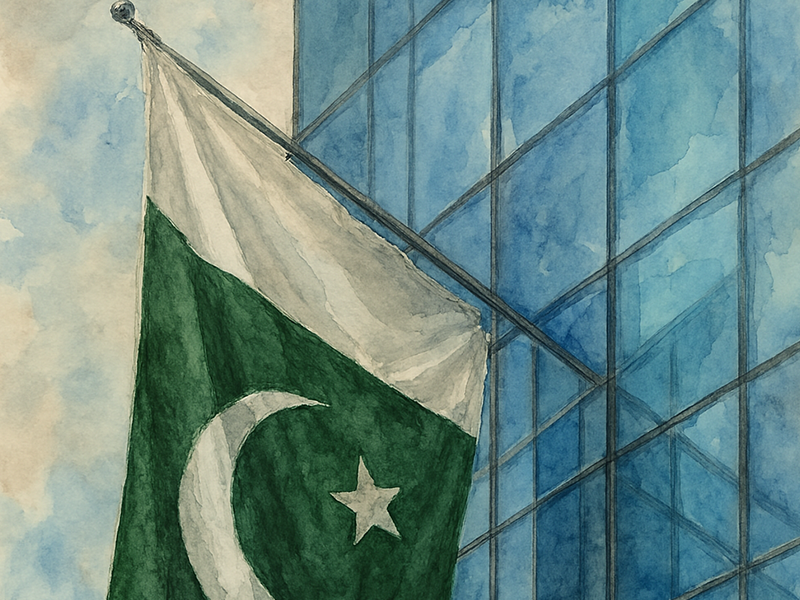
In light of renewed diplomatic engagement between Bangladesh and Pakistan, the time is ripe for Pakistan to formally acknowledge and apologize for the atrocities committed during the 1971 war of independence. A sincere, unambiguous apology would not only serve as an act of moral responsibility but also create a pathway for healing, reconciliation and the restoration of trust between two nations whose historical ties have long been strained.
During the recent foreign secretary-level talks in Dhaka, the first in 15 years, Bangladesh raised longstanding issues with Pakistan, including a call for a formal public apology for the 1971 genocide. According to Bangladeshi estimates, nearly 3 million people were killed and 200,000 women were raped during the nine-month war, allegedly by Pakistani soldiers. These figures are deeply ingrained in Bangladesh’s national memory and continue to influence its foreign policy decisions more than five decades later.
Pakistan has never officially apologized for the 1971 events. While Pakistani officials have at times expressed regret, a formal state-level apology remains absent. This omission is not only a source of diplomatic friction but also a barrier to the normalization of relations. As Bangladesh’s Foreign Secretary Md Jashim Uddin stated, unresolved historical issues must be addressed “for having a solid foundation of our relations.” A formal apology would help remove one of the major hurdles in that process.
The current geopolitical climate presents a unique opportunity. Bangladesh’s interim government, led by Nobel Peace Prize laureate Muhammad Yunus, is pursuing a foreign policy recalibration following the ouster of former Prime Minister Sheikh Hasina. With ties to India strained, Dhaka is looking to strengthen cooperation with Pakistan. Direct flights are expected to resume soon, trade is reopening, and military and naval engagements have already taken place. These developments underscore the urgency and potential benefits of resolving historical grievances.
Other nations have demonstrated the diplomatic and societal value of formal apologies for past atrocities. Germany’s repeated acknowledgments of its World War II crimes have been instrumental in rebuilding its global standing. Australia’s apology to its Indigenous peoples in 2008 helped initiate a national conversation on reconciliation. In both cases, the act of apologizing did not signal weakness. It conveyed strength through accountability.
For Pakistan, an apology could pave the way for broader economic and strategic partnerships. Bangladesh, the world’s second-largest garment exporter, is looking to diversify trade amid tensions with India, including recent disruptions to transshipment routes. Enhanced cooperation with Pakistan could open new markets and logistics channels, but this will require mutual trust, something that can only be rebuilt through acknowledgement of the past.
In addition to the call for an apology, Bangladesh is also seeking $4.3 billion as its fair share of undivided Pakistan’s wealth and advocating for the repatriation of stranded Pakistanis. While financial negotiations are complex and politically sensitive, a formal apology is a necessary starting point. It signals goodwill and moral clarity, an essential first step toward resolving other issues on the table.
Forgiveness cannot be demanded, but it can be earned. By offering a formal apology, Pakistan would take a critical step toward reconciliation with a neighbor it once governed. The gesture would not erase the past, but it would honor the memory of those who suffered and reaffirm a commitment to peace and partnership in South Asia.