


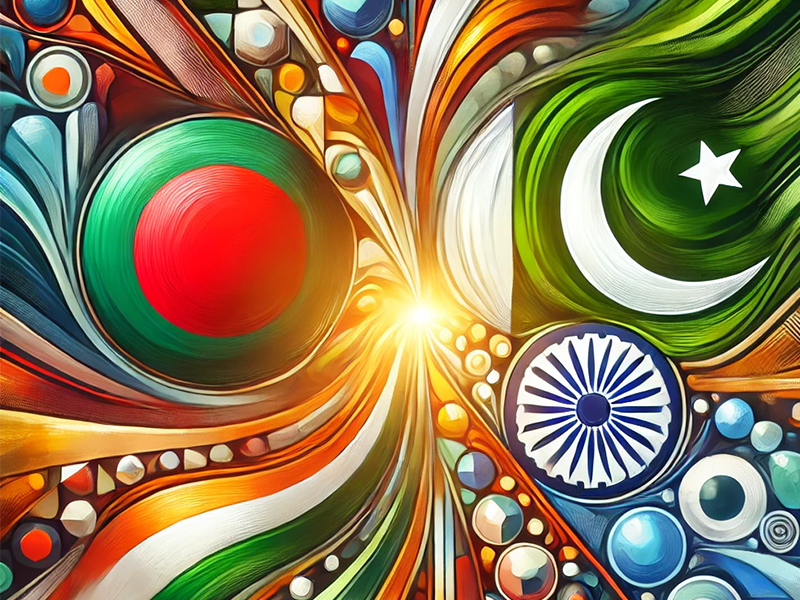
President Donald Trump announced Wednesday that Pakistani imports to the United States will now face a 29% tariff, part of a broader move targeting trade imbalances with South Asian nations.
The tariff, effective immediately, is part of what the administration described as a push for “reciprocal” trade terms. It comes alongside similar measures imposed on India and Bangladesh, set at 26% and 37% respectively.
Pakistan’s economy, which has faced repeated currency and debt crises in recent years, relies heavily on textile exports to the U.S. The new tariff could significantly impact the country’s garment and cotton industries, which account for the majority of its American-bound goods.
According to industry analysts, the tariff increase is likely to raise prices for Pakistani goods in the U.S. market, potentially lowering demand and affecting export revenue. The United States has traditionally been one of Pakistan’s largest export destinations, particularly for textiles, leather, and sporting goods.
While U.S. officials have framed the decision as a corrective measure in global trade relationships, Pakistani officials have yet to issue a formal response. Economists warn the move could add pressure to an already struggling economy that is under an International Monetary Fund loan program and facing high inflation.
The new tariff regime is expected to have ripple effects across Pakistan’s industrial hubs, particularly in cities like Faisalabad, Sialkot, and Karachi, where much of the country’s export manufacturing is based. Trade organizations have expressed concern over job losses and diminished competitiveness in international markets.