


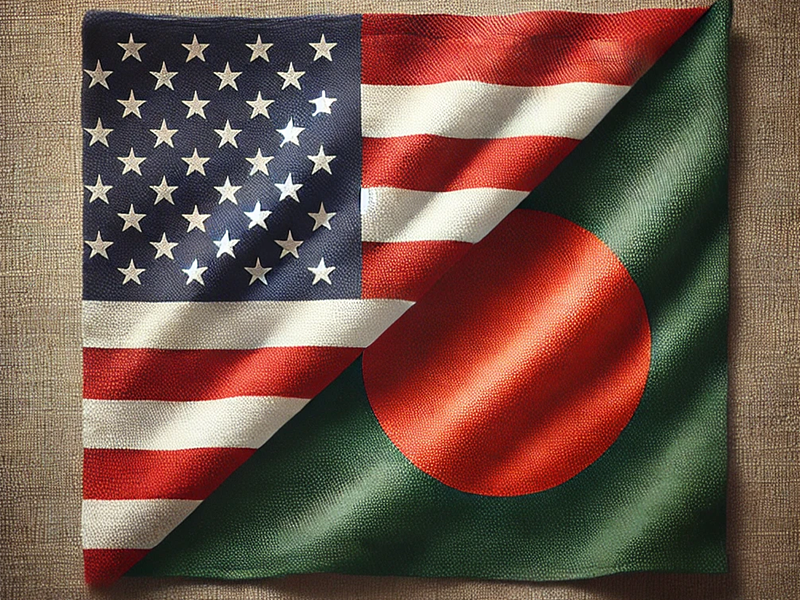
President Donald Trump announced on Wednesday the imposition of a 37% tariff on imports from Bangladesh, a move that could significantly impact the South Asian nation’s economy.
Bangladesh, the world’s 10th most populous country, has been in political turmoil since the ousting of Prime Minister Sheikh Hasina in August 2024. The nation is currently governed by an interim administration led by Nobel laureate Muhammad Yunus.
The garment industry is a cornerstone of Bangladesh’s economy, with apparel exports to the United States totaling approximately $7.34 billion in 2024. The newly imposed tariff is expected to make Bangladeshi products more expensive in the U.S. market, potentially leading to a decrease in demand and adversely affecting the country’s export earnings.
Analysts have expressed concerns that the tariff increase could result in higher costs for U.S. buyers, potentially leading to reduced orders and impacting Bangladesh’s export opportunities. The interim government, already grappling with political instability and economic challenges, may find it difficult to mitigate the repercussions of these tariffs on the garment sector, which employs millions of workers.
The U.S. administration has justified the tariffs as part of a broader strategy to establish “reciprocal” trade relationships, aiming to balance the duties imposed by other countries on U.S. exports. However, this move has raised concerns about potential retaliatory measures and the escalation of trade tensions globally.
As Bangladesh navigates its internal political challenges, the additional economic strain from increased tariffs poses a significant hurdle for the interim government in stabilizing the nation’s economy and ensuring the well-being of its citizens.