


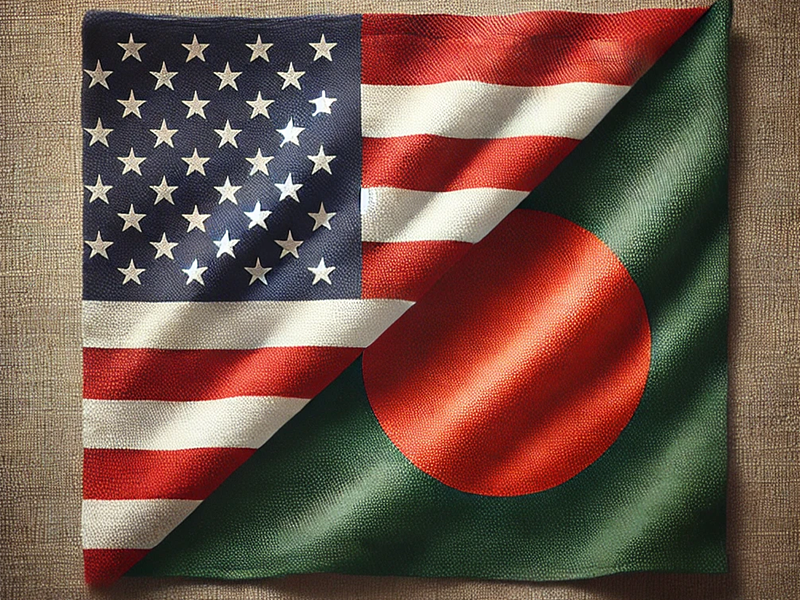
Bangladesh’s decision to import cotton from the United States is a strategic and forward-thinking move that not only strengthens trade ties but also safeguards the country’s crucial garment sector from potential tariff risks. At a time when global trade dynamics are shifting, this initiative demonstrates proactive economic planning that could yield long-term benefits for Bangladesh’s textile industry.
For years, the U.S. has been a key export market for Bangladesh, particularly for its thriving ready-made garment (RMG) sector, which accounts for over 80% of the country’s total exports. However, the threat of increased tariffs on Bangladeshi goods has loomed large, especially as global trade policies have fluctuated since the Trump administration. By opting to source cotton from the U.S., Bangladesh is creating a mutually beneficial trade relationship—one that makes it less likely for the U.S. to impose tariffs on the very garments made from its own raw materials.
Beyond tariff concerns, this move also helps address Bangladesh’s heavy reliance on a few key cotton suppliers, primarily India and China. Diversifying import sources strengthens the country’s supply chain, reducing the risks associated with market disruptions, trade restrictions, or price fluctuations in any single country. Additionally, sourcing high-quality U.S. cotton could enhance the overall standard of Bangladesh’s textile products, further boosting its global competitiveness.
The government’s parallel initiative to classify cotton as an agricultural product and introduce subsidies for its cultivation is another step in the right direction. Bangladesh has long faced challenges in developing its domestic cotton industry due to land constraints and climate limitations. While large-scale self-sufficiency may not be feasible, even a modest increase in local cotton production would reduce dependency on imports and improve the industry’s resilience.
Furthermore, the proposed bonded warehouse facility for cotton traders is a game-changer. Allowing duty-free cotton storage would reduce lead times, lower costs for manufacturers, and make Bangladeshi exports even more attractive to global buyers. By ensuring a steady and readily available cotton supply, this facility would minimize disruptions and further cement Bangladesh’s position as a reliable supplier in the international apparel market.
Bangladesh’s upcoming transition from Least Developed Country (LDC) status in 2026 means the country must prepare for changes in trade privileges, particularly in Europe and North America. This proactive approach to strengthening trade relationships with the U.S. shows that Bangladesh is not merely reacting to external pressures but actively shaping its economic future.
Ultimately, this decision is more than just a trade strategy—it is a statement of Bangladesh’s commitment to securing and expanding its place in the global textile industry. By fostering stronger ties with the U.S., improving supply chain efficiency, and supporting local cotton production, Bangladesh is positioning itself for long-term growth and stability. This is a bold, smart, and necessary move that deserves recognition and support.