


The destruction of Sheikh Mujibur Rahman’s Dhanmondi 32 residence is a tragic and alarming moment for Bangladesh. It is more than just the demolition of a building—it is the erasure of history, the desecration of national memory, and a dangerous descent into lawlessness. No matter how deep political divisions run, mob violence can never be justified. Bangladesh is at a crossroads, and if it does not act swiftly to restore order, its future as a stable, democratic nation will be in jeopardy.
Mujib’s house was not just a residence—it was a symbol of Bangladesh’s independence struggle. This was the home where the Father of the Nation met with world leaders, where key moments in the country’s history unfolded, and tragically, where Mujib and most of his family were assassinated in one of the darkest chapters of Bangladesh’s past. For decades, this house stood as a reminder of the sacrifices made for liberation in 1971. Destroying it does not erase the past; it only diminishes the legacy of the Bengali people.
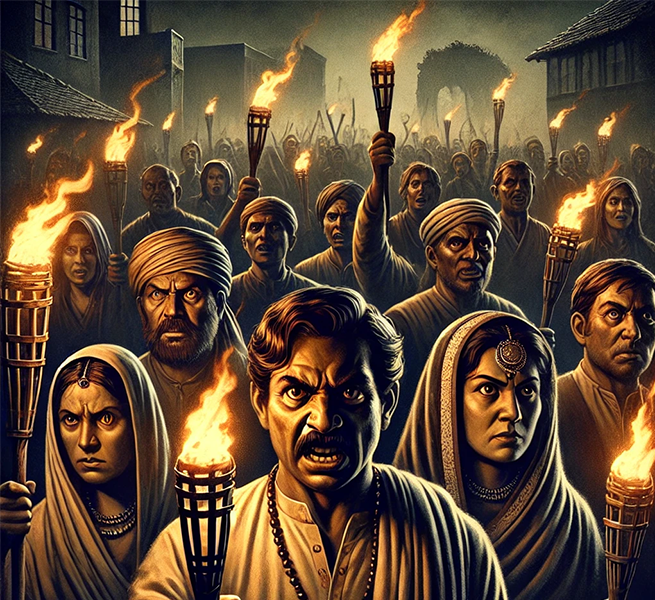
The mob that tore down this historic site—cheering as an excavator smashed through its walls—acted with reckless, mindless fury. Many claimed they were dismantling fascism, yet they resorted to the same brutal, undemocratic methods they claimed to oppose. The torch of democracy is not carried by mobs wielding hammers and torches. It is carried by those who fight for justice through laws, institutions, and dialogue.
This cycle of violence and destruction must end. Political grievances cannot be settled through vandalism, arson, and destruction. Bangladesh has suffered enough from decades of political strife, military coups, and autocratic rule. If this dangerous trend continues, it will only deepen divisions, destabilize the country, and push it further away from the democratic ideals that so many fought for in 1971.
The interim government, led by Muhammad Yunus, must take decisive action to restore order, protect historical sites, and prevent further destruction. Law enforcement cannot stand idly by as mobs rampage through the streets. At the same time, authorities must ensure that justice is pursued through legal means, not through the hands of an angry crowd. Those responsible for the deaths and repression under Sheikh Hasina’s rule must be held accountable, but mob justice is no justice at all.
If Bangladesh wants to move forward as a democratic, peaceful, and prosperous nation, it must reject mob violence in all its forms. The destruction of Mujib’s home is not just a loss for the Awami League—it is a loss for all Bengalis. This savage act does not bring justice; it only brings more division, more hatred, and more chaos.
Bangladesh must rise above the politics of revenge and protect its national heritage before more history is lost forever.