


Bangladesh
Bangladesh tea workers demand Tk 500 daily wage
Tea workers at Kaliti Tea Garden in Bangladesh’s Moulvibazar district stopped work for an hour and staged a protest demanding a daily wage of Tk 500.

Tea workers at Kaliti Tea Garden in Bangladesh’s Moulvibazar district stopped work for an hour and staged a protest demanding a daily wage of Tk 500.
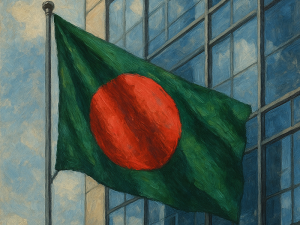
Bangladesh’s trade deficit widened nearly 24% to $23.98 billion during the first 11 months of fiscal 2025-26 as exports declined and imports of capital machinery and industrial materials weakened.
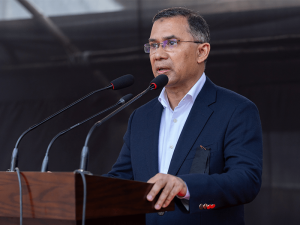
Prime minister Tarique Rahman urged global investors to become long-term partners in Bangladesh’s economic transformation, pledging reforms aimed at building a $1 trillion economy by 2034.
Bangladesh plans to privatize state-owned electricity distribution companies as energy shortages disrupt industrial production and increase the risk of businesses defaulting on loans, a government minister said.
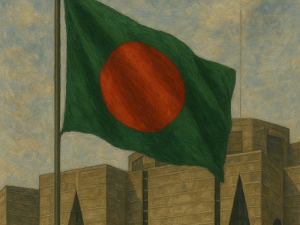
Bangladesh’s worsening gas shortage has stalled industrial projects, disrupted factories and placed billions of dollars in investments and bank loans at risk, business and energy leaders warned Wednesday.
Bangladesh’s economic growth slowed sharply in the January-March quarter as industrial production contracted and agriculture and services lost momentum.
More than 1,500 applications for industrial gas connections are pending with Titas Gas, underscoring an energy shortage that business leaders say is slowing investment and leaving new factories idle.

Bangladesh is set to receive 200 broad-gauge passenger coaches from India, with the first deliveries expected by the end of July or early August, according to a report.
US-Bangla Airlines plans to serve 30 international destinations in 20 countries by December 2027 and launch a second carrier under its parent group, managing director Mohammed Abdullah Al Mamun said Sunday.
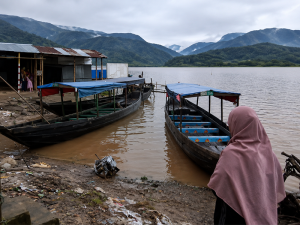
Flooding, riverbank erosion and severe waterlogging are causing widespread damage across Bangladesh, destroying crops, displacing thousands of people and threatening critical infrastructure as rising rivers and heavy rainfall batter districts from the north to the southeast.
