


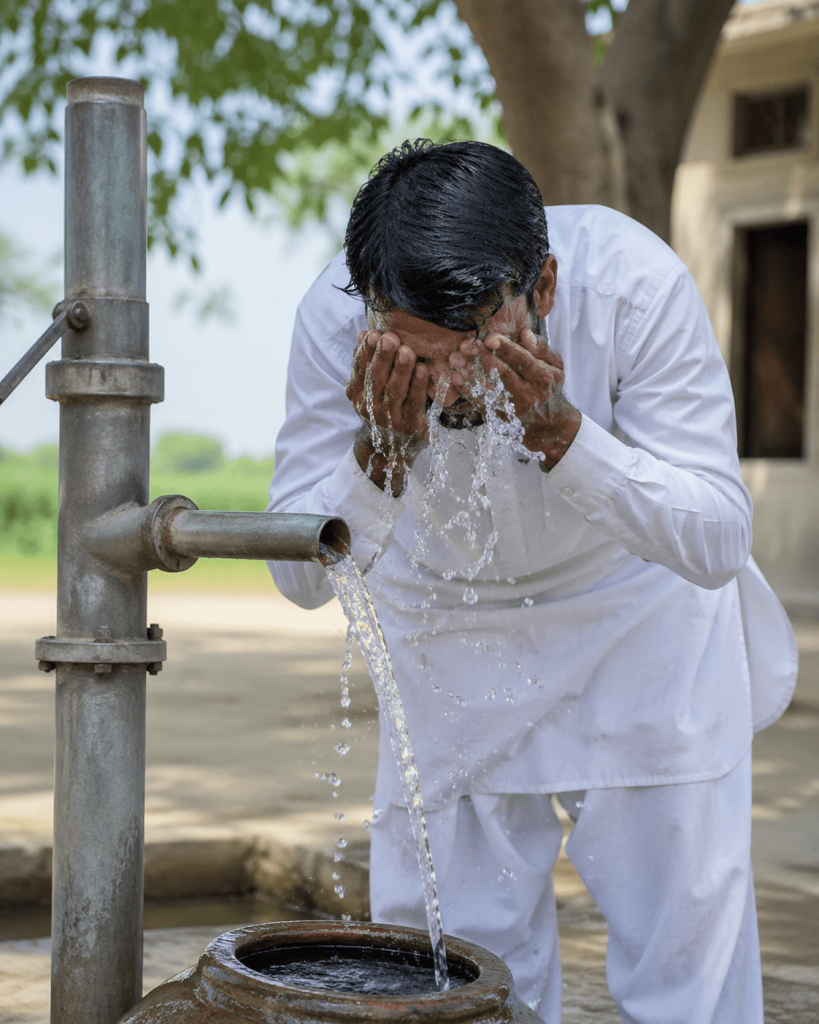
A late-April heat wave is sweeping across parts of India, Pakistan, and Bangladesh, pushing temperatures to dangerous levels in major cities including New Delhi, Karachi and Dhaka as the region enters its pre-monsoon season.
India’s Meteorological Department said heat wave conditions are expected to persist over parts of northwest and central India through midweek before easing. Maximum temperatures between 40 and 45 degrees Celsius have been reported widely, with Banda in Uttar Pradesh reaching 47.4 degrees Celsius in the 24-hour period ending Saturday morning, the highest recorded in the country during that span.
In Delhi, temperatures have ranged from 43 to 44 degrees Celsius, well above normal. Forecasters said similar highs were expected Saturday and Sunday, followed by a gradual decline as clouds, light rain, thunderstorms and strong winds move through the region.
Weather officials attributed the heat to typical pre-monsoon conditions, including dry air, limited cloud cover and high-pressure systems. An anti-cyclonic circulation over interior Maharashtra, along with other atmospheric systems, is contributing to a mix of extreme heat in some areas and storms in others.
Pakistan is experiencing similar conditions, particularly in Karachi and parts of Sindh, where hot and dry weather has intensified. Local reports point to an anticyclonic system near the Oman coast that can weaken the sea breeze, a key moderating factor for Karachi’s coastal climate, allowing temperatures to rise further.
In Bangladesh, temperatures have been lower but humidity has made conditions more oppressive. The Bangladesh Meteorological Department reported a mild to moderate heat wave affecting multiple districts, including Dhaka and Rajshahi. Dhaka reached 36.5 degrees Celsius, while Rajshahi hit 40 degrees Celsius, the highest recorded in the country this year.
Officials warned that warm nighttime temperatures in parts of India are increasing health risks by limiting relief after sunset. Authorities across the region have urged residents to avoid prolonged sun exposure, stay hydrated and take precautions for vulnerable groups, including children, older adults and those with chronic illnesses.
Some relief is expected later this week in parts of India, with temperatures forecast to drop by 3 to 5 degrees Celsius as thunderstorms move in. However, those storms may bring hazards including lightning, strong winds and heavy rain. Bangladesh has already reported deadly lightning strikes following recent storms.
The heat wave reflects a broader pattern of intensifying pre-monsoon conditions across South Asia, where rising baseline temperatures are increasing the frequency and severity of extreme heat events.