


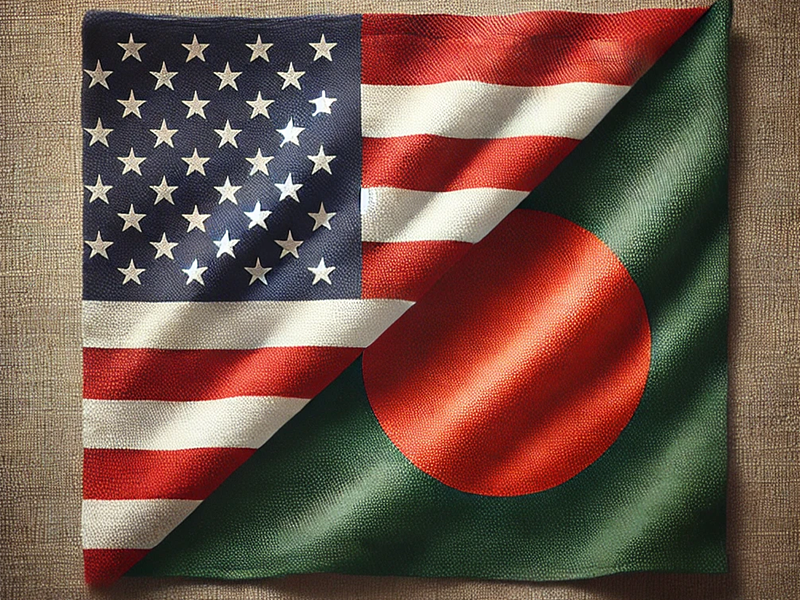
Bangladesh cannot afford uncertainty when crude bombs detonate on buses, schools and public streets. The recent surge in arson and improvised explosives has raised questions about possible political links, including whether any actors aligned with the Awami League are involved. If credible evidence points in that direction, officials should use every available international mechanism to protect the public and ensure accountability.
The United States maintains one of the most extensive legal frameworks for reviewing foreign terrorist activity. The criteria are specific: the organisation must be foreign, must engage in conduct defined as terrorism under U.S. law and must pose a threat to U.S. nationals or to U.S. national security. Whether any Bangladesh-based actors meet that standard is a determination only Washington can make.
Bangladesh’s Yunus government should not assume the outcome of such a review. But it should compile incident reports, forensic findings, arrest records and intelligence assessments and submit them through diplomatic channels for a formal American terrorism evaluation. An external review conducted under established legal safeguards would help determine whether the pattern of bombings and arson meets the threshold for designation.
Taking this step offers two advantages. It places the evidence before a system known for defined evidentiary standards rather than political claims. It also demonstrates that Bangladesh is unwilling to allow politically motivated violence to be shielded by party affiliation or past incumbency.
This is not a call to punish any political organisation. It is a call to protect civilians and to ensure that any group suspected of organised violence is examined through an impartial international process. Bangladesh should proceed transparently, document the facts and request a U.S. review. If the evidence meets the legal threshold, consequences will follow. If it does not, the process will still provide needed clarity during a dangerous moment for the country.