


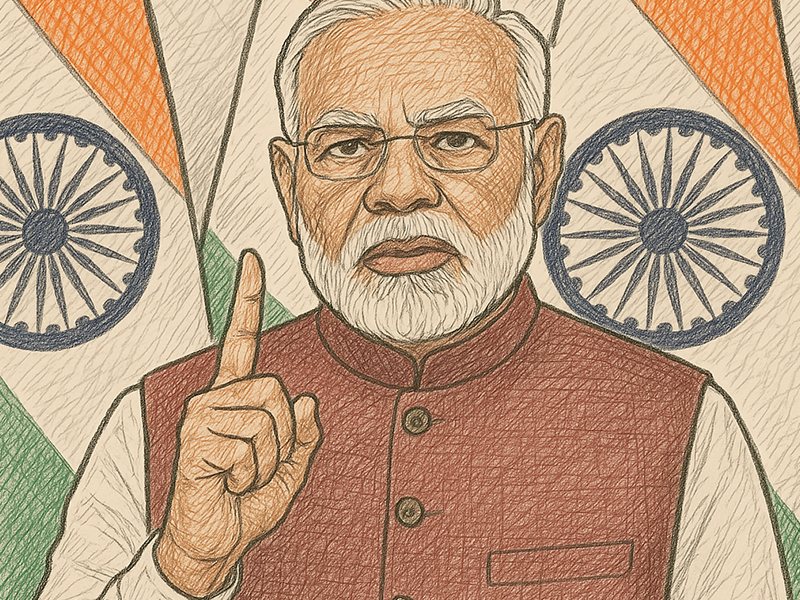
A geopolitical expert has asserted that the United States views India as expendable leverage rather than a core ally in its global strategic framework, pointing to recent tariffs on Indian imports as evidence of that stance.
George Friedman, chairman of Geopolitical Futures, said the U.S. decision to impose tariffs was less about penalizing India for its purchase of Russian oil and more about sending signals to Moscow and Beijing. Friedman described India as a “low-cost example” used to demonstrate Washington’s resolve.
“If we were going to demonstrate to the Russians and the Chinese that we were serious, India was a convenient country to use,” Friedman said. “They’re important, but not critical.”
The Trump administration’s tariffs, implemented amid rising tensions with Russia and ongoing strategic competition with China, suggest a calculated prioritization of American interests, analysts say. Despite India’s population, growing economy and role in the Quad security dialogue, it remains on the periphery of U.S. grand strategy, according to Friedman.
China and Russia continue to dominate American geopolitical attention—China because of its military and economic reach, and Russia because of its war in Ukraine. India, while a key regional player, has not yet developed the military capacity or economic influence to function as a decisive counterbalance in Asia.
Friedman warned that treating India as expendable may push New Delhi toward closer engagement with Beijing.
For now, the United States appears unconcerned. India remains heavily reliant on access to American technology and markets, making an abrupt shift unlikely, analysts say.
The tariffs, Friedman argued, are an example of how U.S. policymakers are willing to use trade as a geopolitical instrument –even at the cost of alienating strategic partners who once considered themselves indispensable.