


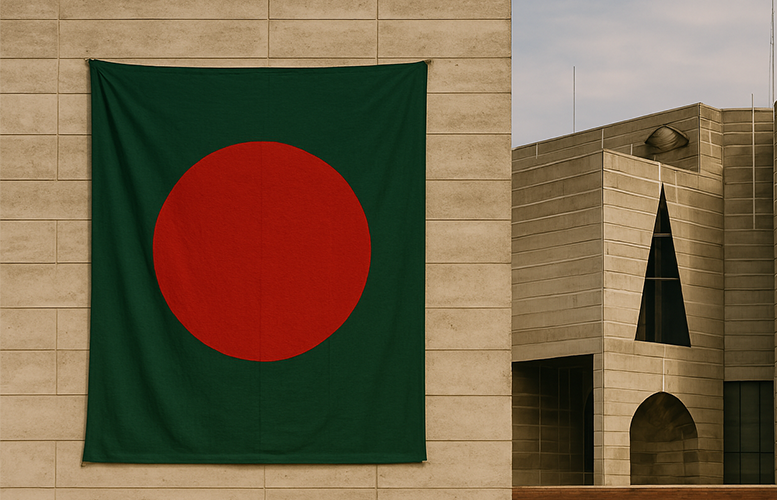
A year after student-led protests rocked Bangladesh, many citizens feel that the promised changes have not materialized. The 2024 uprising, initially sparked by a controversial quota system for government jobs, evolved into a broader anti-government movement, leading to the resignation of Prime Minister Sheikh Hasina. While some political prisoners have been freed, concerns over human rights and the rise of Islamist parties persist.
Abdus Salam, a leader in the Bangladesh Nationalist Party (BNP), notes increased political freedom since Hasina’s departure to India. BNP members, including Khaleda Zia, have been released from prison. However, garment worker Ambia expressed disappointment that the expected end to “anarchy” and politicization has not occurred, and a sense of security has yet to return.
Human Rights Watch (HRW) reports that while some abuses like enforced disappearances have decreased, the interim government led by Muhammad Yunus has used arbitrary detention against political opponents. Meenakshi Ganguly, HRW’s deputy Asia director, says the hope for a rights-respecting democracy remains unfulfilled. Foyez Ahammad, from the interim government, contends that significant progress has been made in reducing human rights violations.
Despite these issues, Bangladesh has achieved some economic milestones. The U.S. reduced tariffs on Bangladeshi exports to 20%, effective August 7, putting the nation on par with competitors like Sri Lanka and Vietnam. The interim government has also initiated training programs and sought foreign investment to stimulate job creation.