


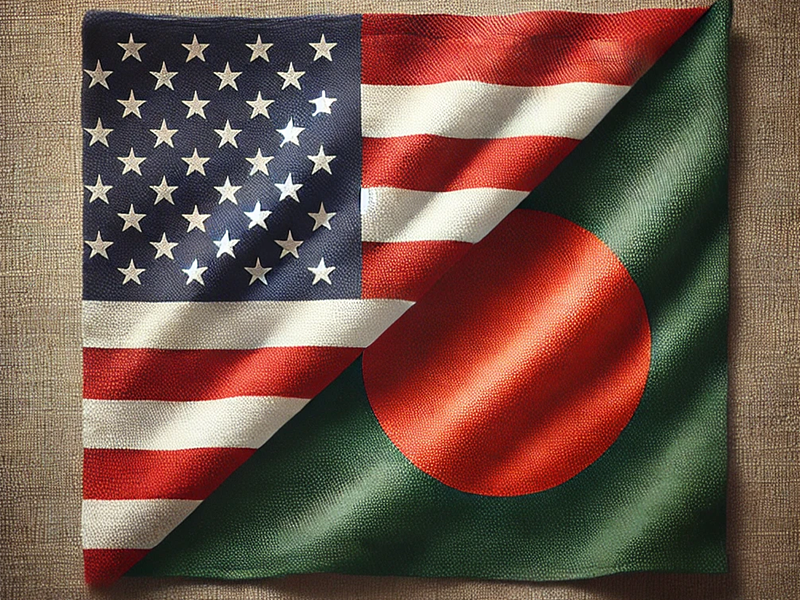
Bangladesh faces a formidable challenge as the United States escalates tariffs on its goods, particularly impacting the vital garment industry. The increase, surging from 10% to 35%, threatens to undermine Bangladesh’s export revenue and strain its already precarious foreign reserves. This move places Bangladesh at a distinct disadvantage compared to competitors like Vietnam, which enjoys a significantly lower tariff rate of 20%.
While Bangladesh aims to increase exports to alternative markets such as Europe, Canada, and Japan, it is unlikely to fully compensate for reduced access to the U.S. market. Compounding the tariff pressures is persistent political instability, potentially triggering factory closures, widespread layoffs, and a decline in market share as buyers turn to nations like India and Latin America with more favorable tariff structures. The interim government is actively negotiating with the U.S. for tariff reductions, considering easing non-tariff barriers, procuring more U.S. goods, and reducing tariffs on select U.S. exports. However, concessions regarding the textile sector will likely be limited, given the country’s considerable reliance on garment exports.
Amid these challenges, Bangladesh’s economy faces headwinds. Foreign direct investment remains low, exacerbated by political unrest and uncertainty surrounding upcoming elections. The IMF projects slower growth, driven by political disruptions, weak investment, and stringent macroeconomic policies. Elevated inflation is also projected to persist, further straining the economy. While challenges exist, Bangladesh possesses key competitive advantages, including low labor costs, a growing skilled workforce, and efficient production times. However, incomplete adherence to international labor standards, strikes, infrastructure limitations, and political uncertainty temper these advantages.
To fortify its economic resilience against external pressures and reduce reliance on the export of ready-made garments, Bangladesh must strengthen its domestically oriented industries, including high-tech sectors such as electronics and pharmaceuticals. By expanding these sectors, Bangladesh can not only decrease its dependence on a single industry but also foster innovation, enhance productivity, and create higher-value jobs. A diversified economic base will provide Bangladesh with greater leverage in trade negotiations with the U.S. and other nations, reducing its vulnerability to external shocks and ensuring long-term sustainable growth.
Updating its economic model—moving beyond price competitiveness to an innovation- and quality-based approach—is critical. This involves fostering international partnerships and upgrading its industrial capabilities. Diversifying its export base and reducing reliance on a single sector will be essential for sustained economic health in the face of global challenges.