


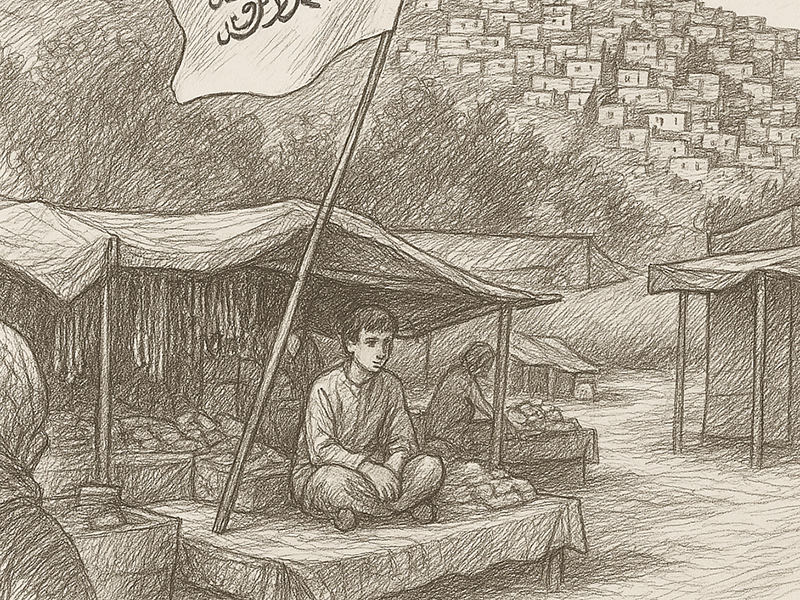
U.S. humanitarian aid cuts since January have left hospitals unable to serve patients and hunger surging across Afghanistan, leading critics to charge that America has again abandoned the country and urging policymakers to reverse course.
According to a Wall Street Journal report, operations at more than 420 health facilities had been suspended or terminated by June, affecting over 3 million Afghans. The cuts also forced the suspension of mobile clinics in remote districts, leaving many women and children without care, and created shortages of basic drugs such as antibiotics, painkillers and cancer medications.
In Hatam Khail, a village an hour’s drive from Kabul, farmer Muhammad Usman said his family has gone months without basic staples. “Only one of my sons has work,” he said. “Our government has provided nothing. And now, no other country is helping anymore.”
John Aylieff, director of the World Food Program in Afghanistan, warned that 2025 saw the highest surge in acute malnutrition ever recorded and that the agency can now assist only 1 million of the 10 million Afghans in urgent need of food assistance. He cautioned that without restored funding before winter, excess mortality among vulnerable groups could spike dramatically.
When the Taliban regained control in August 2021, the United States accounted for more than 40 percent of all humanitarian support, helping stave off hunger and sustain health-care providers. But the administration halted nearly all U.S.-funded humanitarian and economic projects, about $500 million worth of contracts according to an oversight report, and began procedures to abolish USAID. A White House statement defended the cuts by saying aid would be confiscated by the Taliban and would not reach the Afghan people but offered no evidence to support that claim.
Taliban-run health ministry spokesman Sharafat Zaman pleaded, “Please don’t forget the people of Afghanistan.” Yet other senior officials have dismissed foreign assistance as “propagandistic,” insisting the country can resolve its problems through domestic production.
Development specialists and humanitarian leaders say the United States and other donors should resume aid with robust oversight and establish low-profile channels for people-to-people engagement with local Taliban authorities. They argue that vocational training, small-business grants and infrastructure partnerships could help lay the groundwork for a viable economy even under the de facto government.
With many Afghans facing growing poverty and widespread unemployment, experts warn that continued disengagement could deepen the humanitarian crisis and erode any remaining goodwill among ordinary Afghans. They say the price of America’s renewed retreat may be measured in lost lives and the collapse of long-term stability.